Empowering
Global
Talent
MG Consulting Group





If you’re looking to advance your career, pivot to a new role, or even relocate to the Middle East, one question is likely at the forefront of your mind: What do employers really value most? Soft skills or technical skills?
The thing is, the answer is not as simple as “one over the other.” Both types of skills play vital roles, but the emphasis has shifted in recent years. Employers are increasingly valuing a balance of technical expertise and soft skills.
Understanding this dynamic could give you a competitive edge, whether you’re seeking a job in technology, finance, or engineering, or even transitioning into a position.
In this article, we’ll dive into what employers are looking for in the Middle East today, supported by the latest data, expert perspectives, and key insights that can help guide your career decisions.
Why Soft Skills Matter More Than Ever

The Growing Demand for Soft Skills
For many years, technical skills were the undisputed champion of the hiring process, especially in fields like IT, engineering, and finance. However, recent studies show that soft skills—like communication, adaptability, and problem-solving—are now just as critical to employers.
According to a June 9 report from TestGorilla, employers are increasingly focused on soft skills, with 60% saying soft skills are more important today than five years ago.
These skills are considered essential for success in the modern-day work environment, where flexibility and the ability to work with diverse teams are crucial for overcoming challenges.
Employers are realizing that while hard technical skills are necessary to get the job done, soft skills are what make employees successful in the long run.
Think about it: it’s not enough to be technically proficient if you can’t communicate effectively, collaborate with colleagues, or adapt to new technologies.
Technical Skills Remain Essential, but...
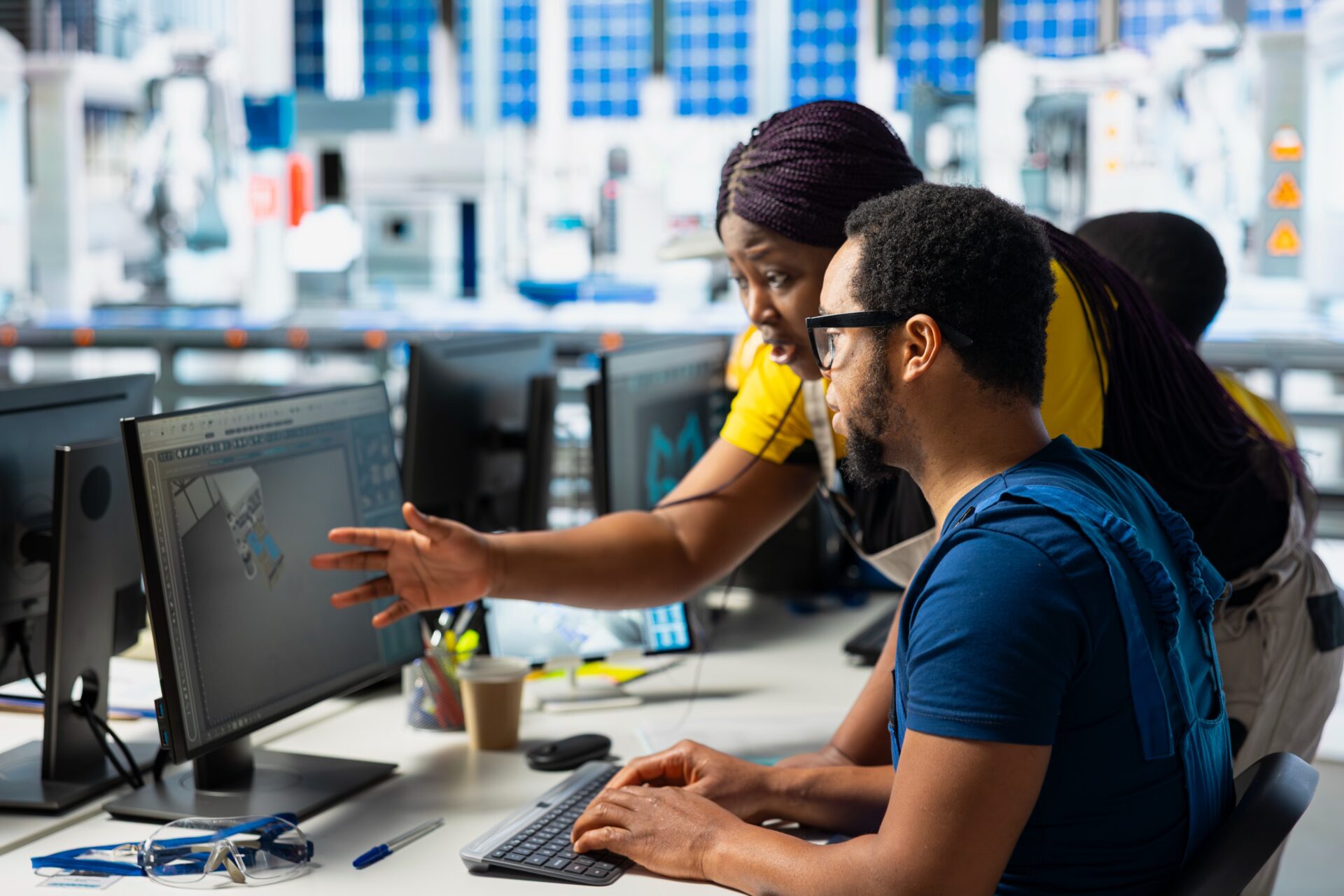
Technical Expertise is Still Key, but Needs Soft Skill Support
Let’s not overlook the fact that technical skills in demand in the Middle East are still a cornerstone for many industries, particularly in tech-driven sectors. With the ongoing digital transformation in the region, employers in industries like AI, cloud computing, and cybersecurity still place high value on technical expertise.
However, as the Middle East continues to diversify its economy, companies are realizing that employees who can adapt quickly, work in diverse teams, and solve problems creatively are just as crucial.
From what we have seen, employers from the UAE and Saudi Arabia would emphasize that IT skills and engineering knowledge are fundamental, but candidates who display emotional intelligence, cross-cultural communication, and leadership potential are far more likely to thrive and advance within their companies.
The conclusion here? Employers need a balance: technical expertise gets you hired, but soft skills ensure you’re successful in the role and help you grow.
If you’re looking for a breakdown of IT skills in demand, be sure to read our article on Most In-Demand IT Skills in the Middle East Job Market to understand what technical expertise employers are actively seeking.
Hybrid Expectations: Why Employers Seek a Blend of Both Skills
The New Standard: Hard + Soft + Digital
The most successful professionals in the Middle East today are those who have a balanced skill set—a blend of technical knowledge, soft skills, and digital adaptability. Employers want candidates who are proficient in specific technical tasks, but they also want those who can communicate, lead teams, and adapt quickly to new technologies and work methods.
For example, roles in AI, data science, and cloud computing require specific technical skills, but employers are also looking for individuals who can work with diverse teams, manage client expectations, and explain complex concepts in an accessible way. The ability to collaborate across departments and demonstrate critical thinking is essential for success, especially in multinational teams.
As industries in the Middle East grow and diversify, the demand for these hybrid skills—technical plus soft skills—will continue to rise
Employer Insights: What HR Experts Are Saying
HR Professionals Weigh In on Skills Demand
HR experts and recruitment specialists have noted that soft skills are increasingly important for career progression, leadership opportunities, and organizational success.
For example, a 2025 report by Truein highlights that employers in the UAE and Saudi Arabia are prioritizing emotional intelligence, communication, and adaptability alongside technical proficiency, especially for senior roles.
Employers recognize that professionals who excel in technical skills but lack interpersonal skills are less likely to succeed in leadership roles or team-based projects.
Also, the report shows that cross-cultural communication is an essential soft skill, especially given the multicultural makeup of many Middle Eastern workforces.
Key Takeaway:
- Employers are looking for well-rounded candidates who can lead and collaborate in diverse, often fast-paced environments.
- Soft skills play a pivotal role in promotions and leadership growth within an organization.
What This Means for Job Seekers and Expats Looking at the Middle East
Crafting Your Skill Set for Success
If you’re a job seeker or expat considering the Middle Eastern job market, there are a few important things to keep in mind when preparing your resume or interview pitch:
- Highlight a balance of both technical and soft skills. For example, if you’re in IT, don’t just list coding languages—also emphasize your ability to work in cross-functional teams and communicate complex ideas effectively.
- Soft skills are your differentiator in leadership or senior roles. In addition to being technically proficient, you’ll need to demonstrate your communication, problem-solving, and adaptability to stand out in competitive markets.
- Be prepared for digital and cultural challenges. The Middle East’s work environments are diverse, and employers are looking for candidates who can adapt to varying cultural norms and digital tools. Emphasize your ability to work with global teams and use digital platforms effectively.
For more insights into job search strategies and how to approach the job market in the Middle East, you can check out our article on The Best Job Search Strategies for Professionals in the Middle East.
How to Build a Balanced Skill Set
1. Focus on Your Technical Expertise
- Sharpen core technical skills relevant to your industry (e.g., data science, programming, engineering).
- Stay updated on the latest industry trends, such as cloud technologies and cybersecurity, to remain competitive.
2. Develop Essential Soft Skills
- Work on emotional intelligence and leadership skills.
- Practice cross-cultural communication and collaboration to thrive in diverse environments.
3. Be Agile and Adaptable
- Demonstrate your ability to learn new tools quickly and adapt to changing work environments.
- Show that you can contribute both in technical execution and team-driven problem-solving.
4. Leverage Digital Tools
- Familiarize yourself with collaboration tools (e.g., Slack, Zoom) and project management software (e.g., Trello, Asana).
- Stay digitally fluent to thrive in a hybrid or fully remote work environment.
If you’re an expat or foreigner looking to navigate this trend, you may want to check out How to Get Hired in the Middle East as an Expat or Foreigner for advice on how to position yourself in the Middle Eastern job market.
Conclusion: It’s Not About Soft vs. Technical—It’s About Both
When it comes to Soft Skills vs. Technical Skills, the answer for employers in the Middle East is clear: you need both. While technical skills remain essential for specialized roles, soft skills are crucial for long-term career success.
To thrive in the Middle Eastern job market, ensure that your skill set includes both hard skills (technical expertise) and soft skills (communication, adaptability, problem-solving).
As you refine your resume or prepare for your next interview, make sure you’re showcasing a hybrid skill set—one that balances technical proficiency with leadership potential and collaborative ability.
Working with a recruitment agency in the Middle East like MGCG can help both candidates and employers navigate these trends—connecting top talent who demonstrate this hybrid skill set with companies looking to build future-ready teams.
By focusing on this hybrid skill set, everyone—from professionals seeking new opportunities to companies aiming to thrive—can succeed in this evolving landscape.
FAQs:
1. How can I improve my soft skills to succeed in the Middle East job market?
To improve soft skills, focus on communication, teamwork, problem-solving, and cultural adaptability. Practice clear, concise communication, seek feedback on your teamwork skills, and take opportunities to lead or collaborate on projects. Consider training courses or workshops that focus on leadership and emotional intelligence.
2. Are technical skills enough to get hired in the Middle East?
Technical skills alone may get you noticed, but soft skills are essential for long-term success. Employers in the Middle East seek candidates who can adapt to new tools, collaborate with diverse teams, and lead with emotional intelligence. You need to combine both technical proficiency and strong interpersonal skills to stand out.
3. What are the most in-demand technical skills in the Middle East right now?
The most in-demand technical skills in the Middle East include cloud computing, AI and machine learning, data analysis, cybersecurity, and software development. These skills are critical across industries such as technology, finance, and engineering, especially as the region focuses on digital transformation.
4. How can I balance technical and soft skills in my career development?
Start by building your technical expertise through certifications, courses, or practical experience. Simultaneously, seek opportunities to develop your soft skills through team projects, leadership roles, or communication-focused tasks.