Empowering
Global
Talent
MG Consulting Group




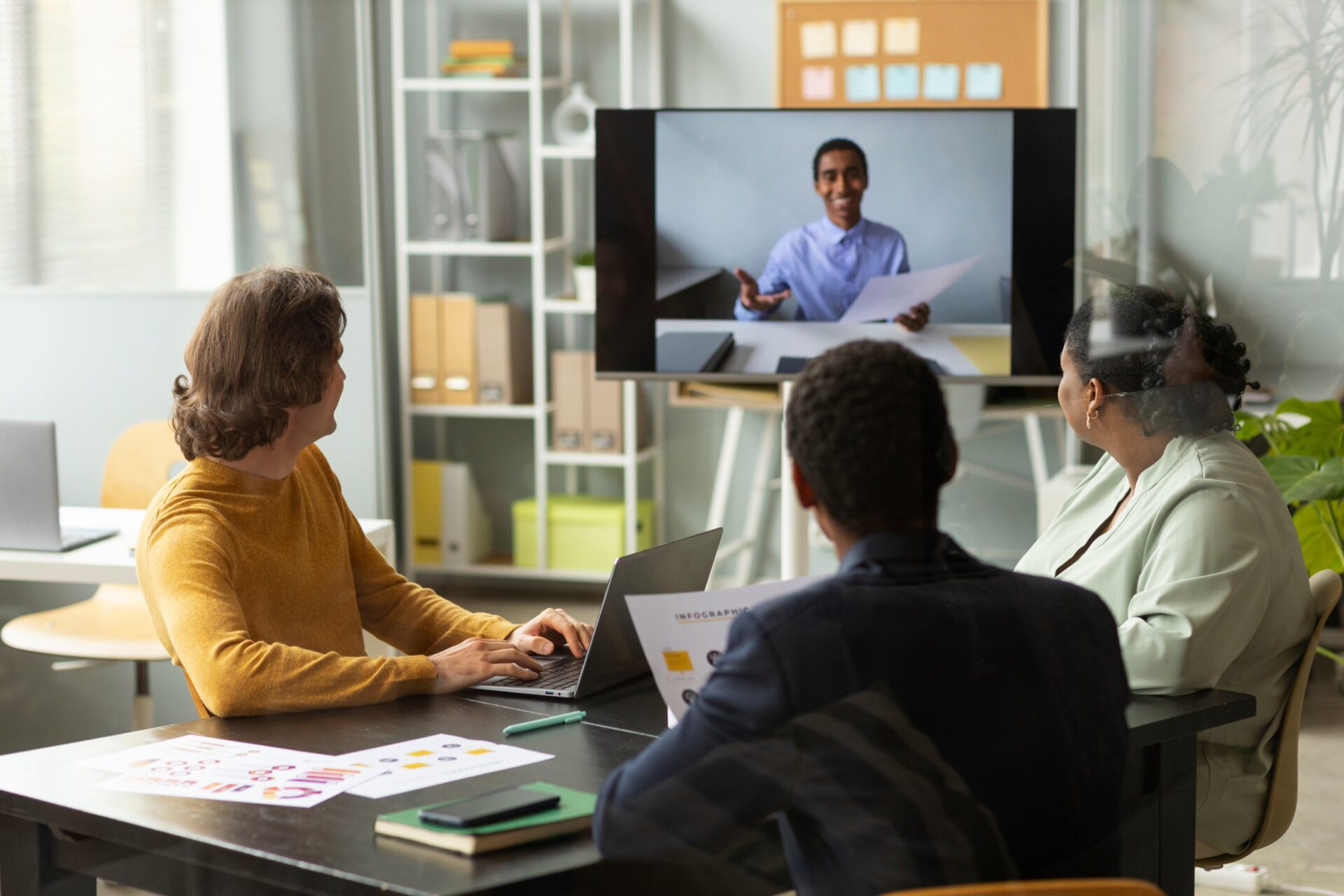
For decades, the Middle Eastern workplace was defined by “presence”—the belief that trust and dedication were forged only within the four walls of an office. However, as we move through 2026, a seismic shift has occurred.
What began as a series of experimental pilots between 2021 and 2025 has matured into a standard, the “3-2 hybrid work” model. It is now a cornerstone as many workplaces across the region utilize it for remote-capable roles.
For executives still hesitant in embracing this work policy, the fear is often rooted in “productivity paranoia”—the worry that remote work could lead to lost hours. Yet, the data tells a different story.
According to an Workplace MEA Research report, this model has led to a 68% increase in productivity (16% up from the 52% of 2015). However, this only happens when the leadership focuses on managing hybrid teams in the Middle East through results-based metrics.
How? Read on to find out.
What Is the 3–2 Hybrid Model?
The 3–2 hybrid model is a structured work arrangement in which employees spend three designated days in the office and two days working remotely. Unlike ad-hoc remote work, this model synchronizes in-office collaboration while preserving focused, remote productivity days.
This structure has become the dominant hybrid format across the GCC for remote-capable roles.
Why should Middle Eastern companies adopt a hybrid model?
The transition to a hybrid workplace offers three critical strategic advantages:
- Winning the Talent War: According to a LinkedIn survey conducted in May 2023, 70% of professionals in the UAE and Saudi Arabia would consider resigning if flexibility were removed.
- Reduced Operational Costs: Kestria reported an average of 35% savings on real estate and overhead when employers transitioned to a hybrid setup.
- Employer Branding: Offering flexible arrangements is now a top-three priority for job seekers, making your brand more appealing to digital-native professionals especially Gen Zs. Deloitte notes that over 75% of GenZs would prefer a job with flexibility over one with bigger pay.
That said, firms today are turning to a contract staffing agency in the Middle East to find specialized talent that specifically seeks these flexible, high-impact roles.
Rather than relying solely on permanent hires, companies take this approach to access pre-vetted professionals who are already experienced in distributed and outcome-based work environments.
This allows them to scale teams quickly, test high-impact roles, and maintain flexibility while aligning with evolving GCC labor requirements.
If you are specifically targeting the upper management tier, you may want to refine your approach by exploring our insights on employer branding for senior roles.
What are the best practices for managing hybrid teams in the Middle East?
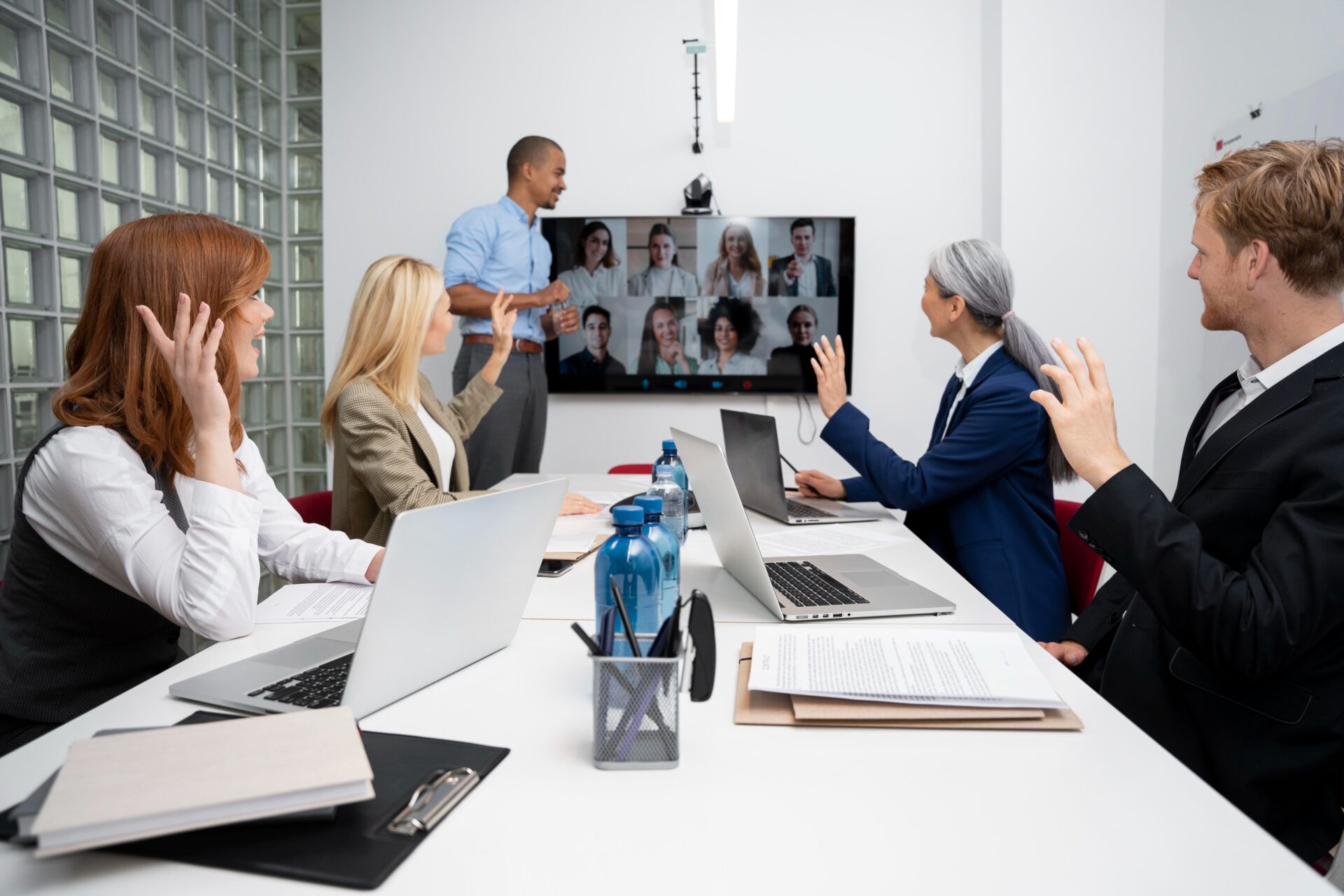
Successful leaders focus on:
Result-Based Leadership: Shifting from “presenteeism” to tracking measurable outcomes using productivity tools.
Remote-Capable Roles: Apply the model exclusively to “remote-capable” positions to maintain operational integrity and fairness across the workforce.
Cultural Sensitivity: When managing hybrid teams in the Middle Eastern countries like the UAE, it is vital to respect prayer times and Friday observances in digital schedules.
5G Connectivity: Leveraging the region’s world-leading 5G infrastructure ensures zero-lag communication and professional output for remote staff.
AI Tools: Using agentic AI for automated meeting recaps, task flows, and real-time project tracking to eliminate administrative friction.
Digital Onboarding: Ensuring that new hires feel connected to the company’s vision from day one, regardless of their physical location.
To ensure this is done well, you can explore our guide on How to Improve Candidate Experience During the Recruitment Process.
How did the "Experimental Phase" prove the model works?
The landmark initiatives conducted between 2021-2025 provided the “proof of concept” required for mass adoption.
Here is how:
1. The Sharjah 4-Day Trial: Resulted in an 86% boost in productivity and a 90% increase in job satisfaction.
2. UAE Federal 4.5-Day Week: Proved that “condensed hybridity” maintains high-service KPIs while improving work-life balance.
3. Saudi Remote Work Framework: formally recognized remote/hybrid work, providing the legal protection necessary for private sector confidence.
How can you protect your company culture?
Workplace culture in a hybrid setup does not erode because of distance; it erodes because of design gaps.
That said, below are some of the strategies companies use to design a hybrid work structure that sustains and promotes a healthy workplace culture:
1. The Use of “Anchor Days” and “Ritual Days”
Companies are moving away from random office attendance toward synchronized “Anchor Days”.
Synchronized Presence: Teams designate specific days (typically Tuesday or Wednesday) where everyone is required to be in-office.
Collaboration-Only Days: These days are cleared of “heads-down” desk work and reserved exclusively for high-impact brainstorming, team lunches, and mentorship.
Majlis-Style Socializing: Replicating the regional tradition of face-to-face relationship building through planned social gatherings and coffee chats.
2. Redesigning Offices for “Creative Collision”
Rather than rows of empty desks, firms are transforming their physical spaces into “Experience Hubs”.
Social Hubs over Cubicles: Offices are being redesigned with comfortable social zones, collaborative “Majlis” areas, and innovation labs specifically to encourage the social bonds that are missed during remote days.
Hot Desking & Downsizing: Reducing total desk space but investing more in premium meeting rooms and community-centric infrastructure.
3. Transitioning to Outcome-Based Trust
A major cultural shift in the Middle East is the death of “presenteeism” (valuing long hours at a desk).
Results-Based Leadership: Leaders are trained to focus on measurable outcomes and value creation rather than physical visibility.
Building a Trust Ecosystem: By eliminating micromanagement and trusting teams to deliver from anywhere, companies foster a culture of accountability and autonomy.
Empathy-Led Management: Training managers in emotional intelligence and empathy to better support dispersed team members who may feel isolated.
4. Digital Culture & Inclusion Initiatives
Technology is being used to bridge the gap between those in the office and those at home.
Meeting Equity: Ensuring that every meeting is “remote-first,” where everyone—even those in the office—logs in via their own camera so that remote workers do not feel like observers.
Gamified Recognition: Using AI-powered platforms (like MaxHR or ZenHR) to publicly celebrate wins and recognize achievements in real-time.
Celebrating Different Nationalities: Initiatives like “Global Culture Weeks” or “Food from Home Fridays” to honor the over 200 nationalities present in the UAE and other GCC countries.
5. Prioritizing Wellbeing as a Cultural Pillar
Well-being is now treated as a performance strategy rather than just a perk.
The “Right to Disconnect”: Establishing clear guidelines on digital boundaries, such as “no-email hours” after 7:00 PM to prevent burnout in a 24/7 digital culture.
Mental Health Support: Providing “Mental Health Days,” free counseling, and mindfulness workshops to maintain team resilience.Family-Friendly Policies: Offering flexibility for parents, particularly during school pick-up times, which is highly valued in the region’s family-centric culture.
Final thoughts…
The “experimental phase” of the hybrid work model concluded with a clear verdict: flexibility is the future of the Middle Eastern economy.
For companies still operating on 2019 standards, the risk is no longer “what if it fails,” but “what if we are left behind?”
By managing hybrid teams in the Middle East with intention, utilizing the latest AI tools, and redesigning the office for connection, organizations can unlock higher productivity and a more resilient culture.
This new era only needs leaders who lead with trust.
FAQs
Q. Will productivity drop if my employees work from home?
No. According to HROasis, data shows that 61% of workers report being more productive at home for focused tasks, and overall regional productivity has risen significantly since 2022.
Q. How do we stay compliant when managing hybrid teams in the UAE?
Ensure that your employment contracts clearly define on-site vs. remote expectations and comply with the latest UAE labor laws regarding flexible work patterns.
Q. What is the most common hybrid schedule in the Middle East?
The “3-2” model—three days in the office and two days remote—is currently the most popular and professional standard in the GCC.
Q. How can we find talent comfortable with hybrid work?
Collaborating with a specialized contract staffing agency in the Middle East can help you source candidates who have already proven their ability to remain productive in distributed environments.